Traditional Dobos Torte Recipe: The Iconic Hungarian Caramel-Chocolate Cake
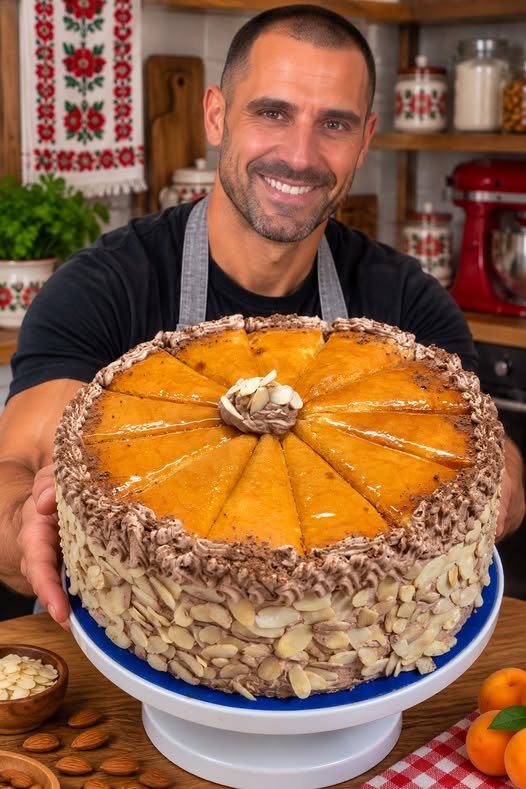
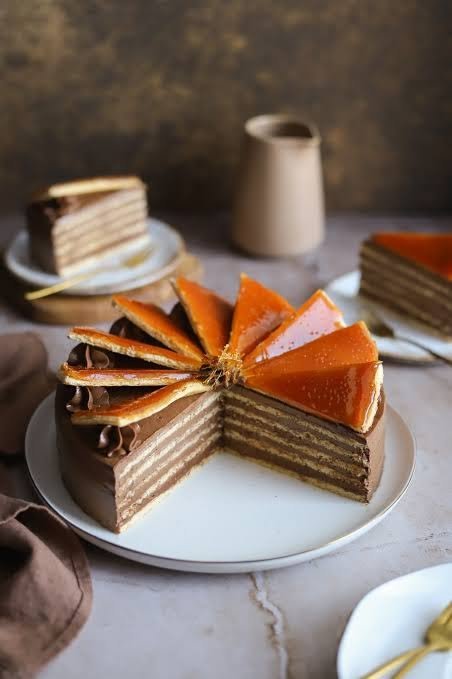
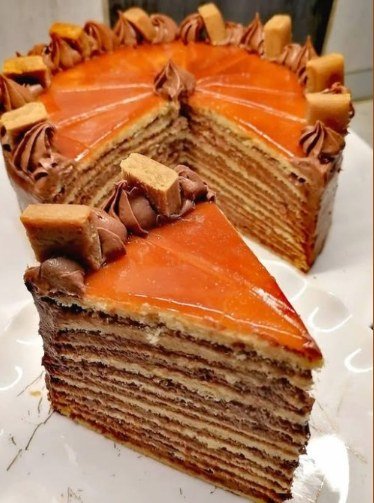
There are cakes, and then there is the Dobos Torte. A true masterpiece of European pastry, this iconic Hungarian dessert is instantly recognizable by its striking appearance: multiple paper-thin layers of golden sponge cake, encased in a silky, rich chocolate buttercream, and crowned with a dramatic, glassy fan of caramel wedges. It is a dessert that commands attention, a centerpiece that turns any gathering into a special occasion.
Unlike heavy, overly sweet modern cakes, the Dobos Torte is a study in balance and texture. The airy, delicate sponge provides the perfect structural foundation. The chocolate buttercream—which, according to culinary history, was invented specifically for this cake—adds a deep, luxurious richness without being cloying. And the caramel top provides that crucial, satisfying crunch that shatters beautifully against the soft cake.
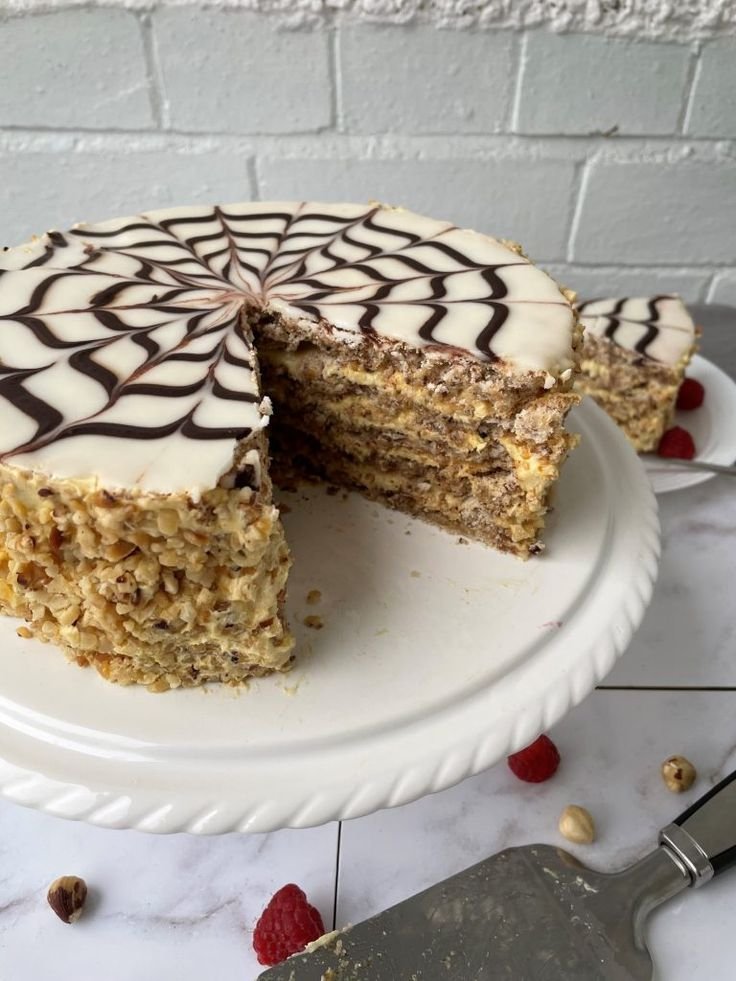
While it may look like a complex bakery project reserved for professionals, making a Dobos Torte at home is an incredibly rewarding experience. The caption accompanying the beautiful image promises that it “melts in your mouth at the first bite” and is “simple to make.” While “simple” might be a slight stretch for a cake that requires precision, the steps themselves are straightforward, and the “melt in your mouth” promise is an absolute guarantee. It requires patience, a bit of organization, and some courage (especially when handling hot caramel), but the result is a showstopping cake that will leave your guests speechless.
In this comprehensive guide, we will walk you through every step of creating this legendary cake. We will explore its fascinating history, break down the essential components, provide a foolproof step-by-step recipe, and share expert tips to help you achieve a bakery-quality result in your own kitchen. Let’s dive into the sweet history of Hungary’s most famous cake.
Recipe Overview
Preparation Time: 1 hour (including making the batter and buttercream)
Cooking Time: 40 minutes (baking the layers)
Chilling Time: 3 hours (minimum, for setting the buttercream)
Total Time: Approximately 5 hours
Servings: 12-16 slices
Difficulty Level: Advanced
Cooking Method: Baking, stovetop cooking
Cuisine: Hungarian
Course: Dessert
Estimated Calories per Serving: Approximately 400-450 kcal
What is Dobos Torte?
The Dobos Torte (pronounced DOH-bosh TOR-tuh) is a traditional Hungarian sponge cake layered with chocolate buttercream and topped with caramel. It was created by the legendary Hungarian confectioner József C. Dobos in 1885.
Before the Dobos Torte, cakes were often made with whipped cream or delicate pastry creams that caused them to spoil quickly. Dobos, a visionary pastry chef, sought to create a cake that would last longer for transportation and display. His ingenious solution was the chocolate buttercream, a rich, stable frosting made by whipping butter with a cooked sugar-and-egg base and melted chocolate. The buttercream sealed in the moisture of the sponge layers, acting as a preservative.
The final touch—the caramel glaze on the top layer—was not just for show; it created an airtight seal that further extended the cake’s shelf life. Dobos debuted his creation at the National General Exhibition in Budapest in 1885, where it was admired by Emperor Franz Joseph I and Empress Elisabeth. The cake was an instant sensation and remains a symbol of Hungarian culinary pride to this day.
A traditional Dobos Torte is defined by three distinct components:
The Sponge: Unlike thick, fluffy American cakes, a Dobos Torte features 5 to 7 extremely thin, light, and airy sponge layers.
The Buttercream: A velvety, intensely chocolatey frosting used to fill the layers and coat the sides of the cake.
The Caramel Top: The top sponge layer is coated in a thin, amber-colored caramel glaze. While still warm, it is scored and cut into wedges, which are then traditionally arranged at an angle around the top edge of the cake.
Ingredients You Will Need
To make this iconic cake, you will need precise measurements. Here is the complete ingredient list, broken down by component:
For the Sponge Cake Layers:
6 large eggs, separated
3/4 cup (150g) granulated sugar
1 1/4 cups (150g) all-purpose flour
1 teaspoon vanilla extract
For the Chocolate Buttercream:
3 large eggs
1 1/4 cups (150g) powdered sugar
7 ounces (200g) high-quality dark chocolate (60-70% cocoa), melted and slightly cooled
1 1/3 cups (300g) unsalted butter, softened to room temperature
Pinch of salt
For the Caramel Top:
1 cup (200g) granulated sugar
1 tablespoon lemon juice (to prevent crystallization)
2 tablespoons water
For Decoration:
1 cup toasted, finely ground nuts (almonds, hazelnuts, or walnuts) to coat the sides
Chocolate curls or a simple chocolate rosette for the center
Choosing the Best Ingredients
The Dobos Torte relies on simple ingredients, but the quality of those ingredients makes all the difference. Here is what to look for:
The Chocolate: Since the buttercream is the heart of the cake, use the best dark chocolate you can afford. Look for a bar with 60% to 70% cocoa content. Do not use chocolate chips, as they contain stabilizers that prevent them from melting smoothly into the buttercream. Chop the chocolate finely so it melts evenly.
The Butter: Use high-quality, unsalted butter. It must be softened to room temperature before whipping. If the butter is too cold, the buttercream will curdle; if it is melted, the buttercream will be soupy and will not set properly.
The Eggs: Use fresh, large eggs for both the sponge and the buttercream. For the buttercream, the eggs are cooked over a water bath to make a safe, stable custard base, so freshness is paramount.
The Flour: Standard all-purpose flour works perfectly here. Sift it before folding it into the eggs to ensure a light, airy sponge.
The Nuts: If you choose to coat the sides of the cake with nuts, toast them first. Toasting the nuts releases their natural oils and deepens their flavor, creating a beautiful contrast to the smooth chocolate.
Kitchen Equipment
To successfully bake a Dobos Torte, you will need the following equipment:
Stand Mixer or Electric Hand Mixer: Essential for whipping the eggs to stiff peaks and beating the buttercream.
Parchment Paper and Pencil: To draw and trace the 9-inch (23cm) circles for the sponge layers.
Baking Sheets: You will need 2-3 large baking sheets.
Double Boiler (or Heatproof Bowl and Saucepan): For cooking the egg base for the buttercream.
Candy Thermometer: Highly recommended for ensuring the sugar for the caramel reaches the right temperature without burning.
Offset Spatula: For spreading the batter into thin circles and applying the buttercream smoothly.
Heavy-Bottomed Saucepan: For making the caramel.
Sharp Knife: Oiled, for cutting the caramel layer.
Cake Stand or Serving Platter: To display your masterpiece.
Step-by-Step Cooking Instructions
Making a Dobos Torte is a multi-step process. It is best to break it down into distinct phases: baking the sponges, making the buttercream, assembling the cake, and creating the caramel top.
Step 1: Bake the Sponge Layers
Preheat your oven to 400°F (200°C). Draw six 9-inch (23cm) circles on sheets of parchment paper. Place the paper (pencil side down) on baking sheets.
In a large bowl, whisk the egg yolks with half of the sugar and the vanilla extract until thick and pale yellow.
In a separate, clean bowl, beat the egg whites to soft peaks. Gradually add the remaining sugar and continue beating until stiff, glossy peaks form.
Gently fold the meringue into the yolk mixture in three additions. Sift the flour over the top and fold it in gently until just combined. Do not deflate the batter.
Divide the batter among the six circles, spreading it as thinly and evenly as possible (about 1/8 inch thick) with an offset spatula.
Bake one or two layers at a time for 6-8 minutes, until lightly golden and springy to the touch. Remove from the oven and carefully peel away the parchment paper. Cool the layers on a wire rack.
Step 2: Make the Chocolate Buttercream
In a heatproof bowl set over a saucepan of simmering water, whisk the eggs and powdered sugar until the mixture is thick, pale, and registers 160°F (71°C) on a thermometer. Remove from the heat and whisk until cooled slightly.
In the bowl of your stand mixer, beat the softened butter with a pinch of salt until pale and fluffy.
With the mixer running on low, slowly add the cooled egg mixture. Beat until fully incorporated and smooth.
Add the melted, cooled chocolate and beat until the buttercream is silky and glossy. If the mixture looks curdled, place the bowl over the warm water bath for a few seconds and beat again.
Step 3: Assemble the Cake
Place one sponge layer on your serving platter. Spread a thin, even layer of buttercream over it.
Repeat with the next four layers. Do not put buttercream on the very top (6th) layer.
Use the remaining buttercream to coat the top and sides of the cake smoothly. Press toasted, ground nuts onto the sides.
Refrigerate the cake for at least 1 hour to set the buttercream before adding the caramel.
Step 4: The Caramel Top
Place the reserved 6th sponge layer on a piece of parchment paper or a silicone mat.
In a heavy-bottomed saucepan, combine the sugar, water, and lemon juice. Cook over medium heat without stirring (you can gently swirl the pan) until the sugar melts and turns a deep amber color (about 340°F/170°C).
Work quickly! Immediately pour the hot caramel over the reserved sponge layer, spreading it with an oiled offset spatula to cover it completely.
The Critical Cut: While the caramel is still warm and pliable, you must cut it into wedges. Using a hot, oiled knife, score the caramel-topped sponge into 8 or 12 equal wedges. You have about 90 seconds to do this before the caramel hardens and shatters.
Let the caramel cool completely, then carefully separate the wedges.
Step 5: Final Decoration and Resting
Arrange the caramel wedges, at an angle, around the top edge of your chilled cake, with the caramel side facing up and the sponge side facing inward.
Add a dollop of buttercream or a chocolate curl to the center.
Refrigerate the cake for at least 1 more hour before serving to allow the flavors to meld and the layers to settle.
Important Cooking Tips
The Thin Sponge: The hallmark of a Dobos Torte is its thin layers. Use an offset spatula to spread the batter very thinly and evenly over the traced circles.
Buttercream Temperature: The butter and the cooked egg mixture must be at the same temperature when beaten together. If the buttercream curdles, it’s usually because one was too cold. A quick fix is to place the bowl over warm water and beat vigorously.
Caramel Timing: Have your knife oiled and ready before you pour the caramel. The window to cut the caramel is very narrow.
Resting the Cake: Do not skip the chilling time. Allowing the cake to rest in the refrigerator helps the buttercream set and allows the sponge to absorb some moisture from the frosting, making it easier to slice.
Common Mistakes to Avoid
Overmixing the Sponge: Fold the flour into the egg mixture gently. Overmixing will develop the gluten, resulting in a tough, rubbery cake instead of a light, airy sponge.
Curdled Buttercream: This happens when the ingredients are at different temperatures. Ensure your butter is truly at room temperature and your cooked egg mixture has cooled sufficiently before combining them.
Burning the Caramel: Sugar goes from perfect amber to burnt and bitter in seconds. Watch it carefully and remove it from the heat as soon as it reaches the desired color.
Shattered Caramel Top: If you wait too long to score the caramel top, it will harden into a solid sheet. You must cut it while it is still warm and pliable.
Uneven Layers: If your sponge layers are too thick or uneven, the cake will be unbalanced. Take your time spreading the batter.
Variations and Substitutions
Gluten-Free: Substitute the all-purpose flour with a high-quality 1-to-1 gluten-free baking blend.
Milk Chocolate: For a sweeter, milder cake, you can use milk chocolate in the buttercream instead of dark chocolate. However, the traditional flavor relies on the richness of dark chocolate.
No Nuts: If you have a nut allergy, simply omit the nuts on the sides and coat the cake entirely in buttercream.
Different Nuts: Almonds, hazelnuts, and walnuts all work beautifully for coating the sides. Hazelnuts add a particularly delicious, earthy flavor.
What to Serve with This Dish
Because the Dobos Torte is so rich and decadent, it is best served on its own or with a simple accompaniment that cuts through the sweetness:
Coffee: A strong cup of black coffee or espresso is the classic pairing.
Tea: A robust black tea, like Earl Grey or English Breakfast, works well.
Dessert Wine: A glass of sweet Hungarian Tokaji Aszú is a traditional and luxurious pairing.
Fresh Berries: A few fresh raspberries or strawberries on the side can add a bright, tart contrast.
How to Store and Reheat Leftovers
Refrigeration: Store the Dobos Torte in the refrigerator, covered, for up to 3-4 days. The buttercream acts as a preservative, so it keeps well.
Serving Temperature: Remove the cake from the refrigerator about 20-30 minutes before serving to allow the buttercream to soften slightly.
Freezing: The sponge layers can be baked and frozen for up to a month. Wrap them tightly in plastic wrap. The assembled cake does not freeze well due to the caramel top, which can become sticky and lose its crunch.
Make-Ahead and Meal-Preparation Tips
Bake the Sponges Ahead: You can bake the sponge layers a day in advance. Store them in an airtight container at room temperature.
Make the Buttercream Ahead: The buttercream can be made and refrigerated for up to 3 days. Bring it to room temperature and beat it again before assembling the cake.
Assembly Timeline: Make the sponges and buttercream on Day 1. Assemble the cake and make the caramel top on Day 2. Allow the finished cake to rest overnight before serving.
Troubleshooting Guide
Why did my buttercream curdle? This is the most common issue. It usually means the ingredients were at different temperatures. If it happens, place the bowl over a saucepan of simmering water and whisk constantly until it comes back together, then continue beating until cool.
Why did my caramel shatter? You likely waited too long to cut the caramel. It must be scored while it is still hot and pliable. Have your knife ready and work quickly.
My sponge layers are too thick. The batter might be too stiff, or you might not have spread it thinly enough. Use an offset spatula to spread the batter almost transparently thin.
The caramel is too sticky. High humidity can affect caramel. Try to make it on a dry day. Also, brushing the sides of the saucepan with a wet pastry brush while the sugar cooks prevents crystals from forming.
Nutritional Information
Please note that the following nutritional information is an estimate and will vary based on the specific ingredients used and portion sizes.
Calories: 420 kcal
Protein: 6 g
Carbohydrates: 35 g
Fat: 28 g
Saturated Fat: 15 g
Cholesterol: 140 mg
Sodium: 50 mg
Fiber: 2 g
Sugar: 25 g
Frequently Asked Questions
What does Dobos Torte taste like? It is a rich, decadent cake with a deep chocolate flavor from the buttercream, balanced by the light, airy sponge and the sweet, slightly bitter crunch of the caramel top.
Why is it called Dobos Torte? It is named after its creator, the Hungarian confectioner József C. Dobos, who invented the cake in 1885.
Can I use a different type of frosting? Traditional Dobos Torte relies on the chocolate buttercream. Using a different frosting, like whipped cream or ganache, would change the texture and the historical integrity of the cake.
How many layers should a Dobos Torte have? Traditional recipes call for anywhere from 5 to 8 layers. This recipe uses 6 layers, which is a manageable number for home bakers.
Is Dobos Torte gluten-free? The traditional recipe contains flour, but you can easily substitute a gluten-free all-purpose blend to make it gluten-free.
Can I make the caramel top in advance? No, the caramel should be made and poured over the sponge just before serving or a few hours before. If left overnight, it may become sticky and lose its crunch.
Final Recipe Summary
The Dobos Torte is more than just a cake; it is a piece of culinary history and a testament to the artistry of Hungarian baking. With its delicate sponge layers, rich chocolate buttercream, and dramatic caramel crown, it is a dessert that commands attention. While it requires some patience and precision, making this classic cake at home is a deeply rewarding experience. Follow the steps carefully, embrace the process, and enjoy the spectacular results.
Printable Recipe Card
Traditional Dobos Torte A classic Hungarian layered sponge cake with chocolate buttercream and a caramel top.
Bake six thin sponge layers on 9-inch parchment circles at 400°F (200°C) for 6-8 minutes each.
For buttercream, whisk eggs and sugar over a water bath until thick (160°F). Beat with softened butter, then add melted chocolate.
Layer the sponges with buttercream, leaving the top sponge bare. Coat the sides and top with buttercream and press nuts onto the sides. Chill for 1 hour.
For caramel, cook sugar, water, and lemon juice to an amber color. Pour over the reserved top sponge.
Score the caramel into wedges while warm. Once cool, separate the wedges and arrange them on top of the cake.
Chill for at least 1 hour before serving.
Storage: Refrigerate covered for up to 4 days.
Internal Linking Suggestions
Hungarian Chicken Paprikash: Link to this recipe with anchor text “classic chicken paprikash” to offer a savory main course to precede the cake.
Authentic Hungarian Goulash Soup: Link to this article using anchor text “hearty goulash soup” for another iconic Hungarian dish.
Hungarian Plum Dumplings (Szilvás Gombóc): Link to this recipe with anchor text “traditional plum dumplings” to share another beloved Hungarian dessert.
Guide to Hungarian Paprika: Link to this educational article with anchor text “high-quality Hungarian paprika” to help readers stock their pantry.
How to Make Nokedli: Link to this recipe using anchor text “homemade nokedli” to provide a side dish for savory Hungarian meals.
External Source Suggestions
For readers seeking further information on the topics discussed in this article, the following types of reliable external sources are recommended:
The Great Hungarian Plain / Culinary History: For resources on the history of Hungarian cuisine and the life of József C. Dobos.
USDA Food Safety and Inspection Service (FSIS): For guidelines on safe internal temperatures for cooking egg-based custards and proper food storage techniques.