The Blood Pressure Drug Linked to Increased Cardiac Arrest Risk: What the Science Actually Says
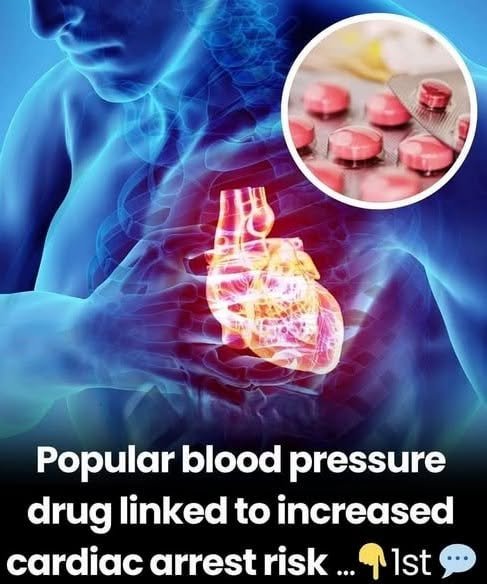
A viral social media post has reignited concerns about a widely prescribed class of blood pressure medications. The image, featuring a stylized heart and a blister pack of pills, carries a stark warning: “Popular blood pressure drug linked to increased cardiac arrest risk.” For the millions of people who rely on daily medication to manage hypertension and prevent cardiovascular events, such headlines can be deeply unsettling.
The drug in question is nifedipine, a member of the dihydropyridine class of calcium channel blockers. It has been used for decades to treat high blood pressure and angina, a type of chest pain caused by reduced blood flow to the heart. While nifedipine remains an important therapeutic option for many patients, a landmark study has identified a specific, dose-dependent association between its use and an increased risk of out-of-hospital cardiac arrest (OHCA). Understanding the nuances of this research—who is at risk, why it happens, and what it means for clinical practice—is essential for separating legitimate safety concerns from alarmist misinformation.
What Is Nifedipine and How Does It Work?
Nifedipine belongs to a class of medications called dihydropyridine calcium channel blockers. These drugs work by blocking the influx of calcium ions into the smooth muscle cells of blood vessels. This blockade causes the blood vessels to relax and widen (vasodilation), which lowers blood pressure and reduces the workload on the heart. For patients with angina, this improved blood flow can relieve chest pain.
Nifedipine is available in both short-acting and long-acting formulations. The long-acting versions are typically used for chronic management of hypertension and angina, allowing for once-daily dosing and more stable blood levels. Standard practice is to initiate treatment at a lower dose and titrate upward if blood pressure or symptoms are not adequately controlled. Doses of 30 mg and 60 mg are most commonly used, while 90 mg is available but infrequently prescribed.
The ESCAPE-NET Study: Uncovering the Association
The most robust evidence linking nifedipine to cardiac arrest risk comes from the European Sudden Cardiac Arrest network (ESCAPE-NET), a large-scale research initiative designed to identify the causes of sudden cardiac arrest and improve prevention strategies. The findings were presented at the European Heart Rhythm Association (EHRA) Congress in 2019 and subsequently published in the European Heart Journal – Cardiovascular Pharmacotherapy.
Study Design and Scope
The researchers conducted a case-control study using data from two major population-based registries: the Dutch Amsterdam Resuscitation Studies (ARREST) registry and the Danish Cardiac Arrest Registry (DANCAR). They focused on cases of out-of-hospital cardiac arrest (OHCA) documented as having ventricular tachycardia or ventricular fibrillation—dangerous heart rhythm abnormalities that are common causes of sudden cardiac arrest. These cases were compared to control groups of individuals who did not experience cardiac arrest, matched by age, sex, and other relevant factors.
The scale of the study was substantial. The Dutch analysis included 2,503 OHCA cases and 10,543 non-OHCA controls, while the Danish analysis included 8,101 OHCA cases and 40,505 non-OHCA controls. This large sample size provided the statistical power necessary to detect meaningful associations.
The Key Findings
The results were both specific and striking. The researchers found that the use of high-dose nifedipine (60 milligrams per day or more) was associated with a significantly higher risk of out-of-hospital cardiac arrest compared to people who did not use dihydropyridine medications at all.
The adjusted odds ratios, which account for other factors that could influence the results, were 1.45 in the Dutch registry and 1.96 in the Danish registry. In simpler terms, this means that people taking high-dose nifedipine had a moderately but statistically significant increased risk of experiencing a sudden cardiac arrest.
Crucially, the study also found that low-dose nifedipine (less than 60 milligrams per day) was not associated with an increased risk. Furthermore, amlodipine, another widely used dihydropyridine calcium channel blocker, was not linked to an increased risk of cardiac arrest at any dose. This distinction is important because it suggests that the risk is not a class-wide effect of all calcium channel blockers, but rather something specific to high doses of nifedipine.
Why Does High-Dose Nifedipine Increase Risk?
To understand why high-dose nifedipine might pose a risk, it helps to look at how the drug works at the cellular level. Dihydropyridines block L-type calcium channels, which are involved in the electrical signaling that controls heart rhythm.
The researchers performed laboratory studies using human-induced pluripotent stem cell-derived cardiomyocytes—heart muscle cells grown from stem cells—to examine the electrophysiological effects of the drugs. They found that nifedipine and amlodipine both block L-type calcium channels at similar concentrations. However, at the concentrations actually achieved in clinical practice, nifedipine caused a greater degree of L-type calcium current block. This resulted in more pronounced shortening of the cardiac action potential—the electrical signal that coordinates each heartbeat.
When the action potential is significantly shortened, it can create an electrical environment that favors the development of dangerous arrhythmias, specifically ventricular tachycardia and ventricular fibrillation, which can lead to sudden cardiac arrest. Because prescribed doses and resulting plasma concentrations of amlodipine are significantly lower than those of nifedipine, amlodipine does not produce the same degree of action potential shortening, which may explain why it was not associated with an increased risk in the study.
Nifedipine vs. Amlodipine: A Comparative Safety Profile
The study’s comparison between nifedipine and amlodipine is particularly instructive. When researchers compared high-dose nifedipine directly to any dose of amlodipine, the risk difference was even more pronounced. The odds ratios for high-dose nifedipine versus amlodipine were 2.31 in the Dutch registry and 2.20 in the Danish registry. This suggests that, based on this data, amlodipine may be the safer choice for patients who require a dihydropyridine calcium channel blocker.
However, it is important to note that this does not mean nifedipine is a “dangerous” drug that should be avoided entirely. For some patients, nifedipine may be more effective than amlodipine at controlling their specific condition. The choice between the two should be individualized based on a patient’s overall risk profile, response to treatment, and other medical considerations.
What This Means for Patients Taking Nifedipine
The most important message for patients is do not stop taking your medication without consulting your doctor. Suddenly discontinuing blood pressure medication can cause blood pressure to rise dangerously, which can increase the risk of heart attack, stroke, and other serious complications. The risks of uncontrolled hypertension are well-established and far more common than the potential risks highlighted in this study.
The study’s lead researcher, Dr. Hanno Tan, a cardiologist and the director of the ESCAPE-NET project, emphasized that further research is needed before doctors or patients make any changes to treatment plans. He stated, “The findings need to be replicated in other studies before action should be taken by doctors or patients”. The authors of the study also recommended that careful titration of the nifedipine dose should be considered.
Patients who have concerns about their medication should schedule a conversation with their healthcare provider. During this discussion, it is reasonable to ask questions such as:
Is my current dose of nifedipine within the range that has been associated with increased risk?
Would a lower dose or an alternative medication, such as amlodipine, be appropriate for my situation?
What are the potential benefits and risks of continuing my current treatment versus switching to a different option?
Doctors prescribe medications based on a careful assessment of each patient’s individual risk factors, medical history, and treatment goals. A healthcare provider can help patients weigh the benefits of blood pressure control against the potential risks identified in this research.
The Bigger Picture: Hypertension Management and Cardiovascular Risk
It is helpful to view these findings within the broader context of cardiovascular health. High blood pressure is one of the most significant modifiable risk factors for heart disease, stroke, and premature death. The complications of uncontrolled hypertension—including heart attacks, heart failure, kidney damage, and stroke—are common and well-documented.
For most patients, the cardiovascular benefits of taking prescribed blood pressure medication far outweigh the potential risks. The goal of research like the ESCAPE-NET study is not to discourage people from treating their hypertension, but to refine our understanding of which medications are safest for which patients and at what doses. The finding that low-dose nifedipine and any-dose amlodipine were not associated with increased risk provides clinicians with valuable information for tailoring treatment plans.
Ongoing Research and Future Directions
The ESCAPE-NET project and similar research initiatives are continuing to explore the complex relationships between medications, individual patient characteristics, and cardiovascular outcomes. Future studies may help clarify whether the association between high-dose nifedipine and cardiac arrest holds true across different populations and whether certain patient subgroups are more vulnerable than others.
Researchers are also investigating other classes of antihypertensive medications to understand their potential effects on cardiac electrophysiology and the risk of sudden cardiac arrest. This ongoing work is essential for improving the safety and effectiveness of cardiovascular care.
Practical Steps for Safe Medication Management
In light of these findings, patients can take several practical steps to ensure they are managing their blood pressure safely and effectively.
Communicate Openly With Your Healthcare Provider
Maintain an open line of communication with your doctor or pharmacist. Inform them of any new symptoms, changes in your health, or concerns you have about your medications. Do not make changes to your medication regimen on your own.
Keep a Current Medication List
Maintain an up-to-date list of all medications you are taking, including prescription drugs, over-the-counter products, and supplements. Bring this list to every medical appointment. This helps healthcare providers identify potential drug interactions and make informed decisions about your treatment.
Monitor Your Blood Pressure Regularly
Regular monitoring, whether at home or at your doctor’s office, helps you and your healthcare team track how well your treatment is working. If you notice significant changes in your readings or experience side effects, report them promptly.
Understand the Difference Between Drug Formulations
Nifedipine is available in different formulations, including immediate-release and extended-release versions. The extended-release formulations are typically used for long-term blood pressure management. If you have questions about which formulation you are taking and how it relates to the findings of this study, ask your pharmacist for clarification.
Be Mindful of Other Risk Factors
In addition to taking your medication as prescribed, addressing other cardiovascular risk factors can significantly reduce your overall risk of heart problems. These include maintaining a healthy diet, engaging in regular physical activity, avoiding tobacco, limiting alcohol consumption, and managing stress. These lifestyle measures complement the effects of blood pressure medication and contribute to better overall cardiovascular health.
Frequently Asked Questions
Q: Should I stop taking nifedipine because of this study? No. You should never stop taking a prescribed blood pressure medication without first speaking to your doctor. Stopping suddenly can cause a dangerous spike in blood pressure and increase your risk of heart attack or stroke. The study identifies an association that warrants discussion, not immediate discontinuation.
Q: Is amlodipine a safer alternative to nifedipine? The study found that amlodipine was not associated with an increased risk of cardiac arrest at any dose. However, every medication has its own benefits and potential side effects. Your doctor can help determine whether amlodipine or another medication is appropriate for your individual circumstances.
Q: What is considered a high dose of nifedipine? The study defined high-dose nifedipine as 60 milligrams per day or more. Low-dose nifedipine (less than 60 milligrams per day) was not associated with an increased risk in the research. Your doctor can confirm the dose you are taking and discuss whether it is within the range that was studied.
Q: Does this mean blood pressure medication is dangerous? No. For the vast majority of patients, the benefits of blood pressure medication far outweigh the risks. The research highlights the importance of individualized treatment, appropriate dosing, and regular monitoring, but it does not suggest that blood pressure medications should be avoided altogether.
Q: How common is sudden cardiac arrest? Sudden cardiac arrest is a relatively rare event, although it is a leading cause of death from cardiovascular disease. The absolute risk for any individual patient taking high-dose nifedipine remains low, even if the relative risk is increased compared to non-users.
Q: What should I do if I experience symptoms like dizziness, palpitations, or fainting? If you experience new or concerning symptoms while taking any medication, contact your healthcare provider promptly. These symptoms could be related to your medication, your blood pressure, or another health issue, and they warrant medical evaluation.
Conclusion
The research linking high-dose nifedipine to an increased risk of sudden cardiac arrest is an important contribution to our understanding of cardiovascular medication safety. It highlights the need for careful consideration of dosing, individual patient factors, and the specific properties of different drugs within the same class. However, it does not mean that patients should abandon their blood pressure treatment. Hypertension is a serious condition with well-documented consequences, and the benefits of effective management are substantial.
The most responsible approach for patients is to stay informed, maintain open communication with their healthcare providers, and never make changes to their medication regimen without professional guidance. By working together with their doctors, patients can make informed decisions that balance the benefits and risks of treatment and support their long-term cardiovascular health. As research in this area continues to evolve, the goal remains the same: to provide safe, effective, and personalized care that helps people live longer, healthier lives.