Fruits That Help Prevent and Break Down Blood Clots Naturally
Meta Description: Discover which fruits contain natural blood-thinning compounds to help prevent blood clots, improve circulation, and support cardiovascular health.
Introduction
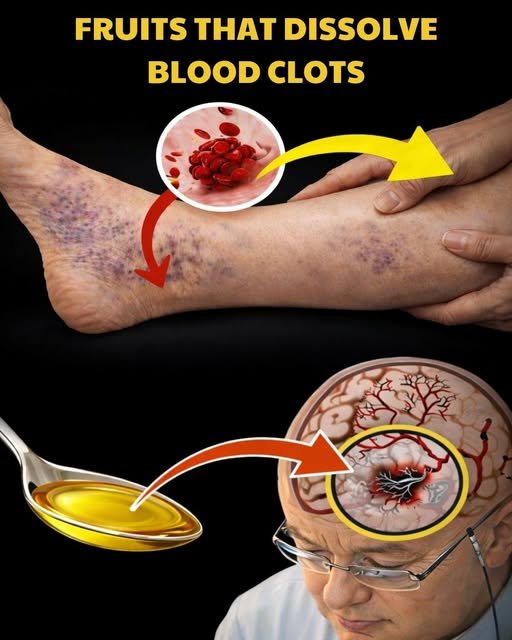
Blood clots are gel-like masses of blood that form when platelets and proteins in the plasma stick together. While they are necessary to stop bleeding after an injury, clots that form inside blood vessels (thrombosis) can be life-threatening, leading to deep vein thrombosis (DVT), heart attacks, or strokes.
While acute, dangerous blood clots require immediate medical intervention and prescription anticoagulants, diet plays a massive role in preventing them. Certain fruits contain natural enzymes, flavonoids, and vitamins that act as mild blood thinners. They help prevent platelets from clumping together and support the breakdown of fibrin, the protein that holds clots together.
Here are the specific fruits known for their natural clot-preventing and circulation-boosting properties.
1. Pineapple (Bromelain)
Pineapple is one of the most effective fruits for managing blood clot health due to an enzyme called bromelain.
How it works: Bromelain is a proteolytic enzyme, meaning it breaks down proteins. It has fibrinolytic properties, which means it helps break down fibrin—the mesh-like protein that forms the structure of a blood clot.
Benefits: Studies show bromelain can reduce platelet aggregation (stickiness) and help dissolve existing fibrin in the bloodstream, promoting better circulation and reducing the risk of blockages.
Berries are packed with powerful antioxidants called anthocyanins and flavonoids.
How it works: These compounds improve the health of the endothelium (the inner lining of blood vessels) and prevent platelets from sticking to the vessel walls.
Benefits: Regular consumption of berries has been linked to a reduced risk of cardiovascular disease. They help keep blood vessels flexible and prevent the formation of arterial plaque, which is a primary site for clot formation.
3. Citrus Fruits (Oranges, Lemons, Grapefruits)
Citrus fruits are famous for their high Vitamin C content, but they also contain important bioflavonoids like hesperidin and rutin.
How it works: Vitamin C is essential for the production of collagen, which keeps blood vessel walls strong and prevents them from rupturing. Hesperidin improves blood flow and reduces inflammation in the veins.
Benefits: Citrus fruits act as mild natural anticoagulants. They help thin the blood slightly and improve overall circulation, particularly in the legs where venous clots often form.
4. Red and Purple Grapes
Grapes, particularly the darker varieties, contain resveratrol and natural salicylates.
How it works: Salicylates are the natural chemical compounds that aspirin is derived from. They work by inhibiting the production of thromboxane, a lipid that causes platelets to clump together. Resveratrol increases the production of nitric oxide, which dilates (widens) blood vessels.
Benefits: Eating red grapes or drinking moderate amounts of red grape juice can reduce the “stickiness” of the blood, making it harder for dangerous clots to form.
5. Avocado
Though often treated as a vegetable, the avocado is a fruit rich in Vitamin E and monounsaturated fats.
How it works: Vitamin E is a potent natural blood thinner. It prevents platelets from becoming too sticky and stops them from clumping together to form clots.
Benefits: Avocados also help lower LDL (“bad”) cholesterol and reduce inflammation in the blood vessels, addressing two of the root causes of clot formation.
6. Pomegranate
Pomegranates are loaded with punicalagins and other potent antioxidants.
How it works: These compounds protect nitric oxide from oxidative destruction. Nitric oxide is crucial for keeping blood vessels dilated and blood flowing smoothly.
Benefits: Pomegranate juice has been shown in studies to reduce the thickness of the carotid artery walls and improve blood flow, significantly lowering the risk of clot-related cardiovascular events.
Important Medical Considerations
While incorporating these fruits into your diet is highly beneficial for cardiovascular health, it is important to understand how they interact with medical treatments.
Diet vs. Emergency Medicine: Eating pineapple or berries will not dissolve a large, acute blood clot causing a stroke or pulmonary embolism. Those are medical emergencies requiring prescription thrombolytics (“clot-busters”) or surgery. Fruits are for prevention and long-term vascular health.
Medication Interactions: If you are already taking prescription blood thinners (such as Warfarin, Eliquis, or Xarelto), you must be careful. Adding large amounts of natural blood-thinning foods (like grapefruit, which also interferes with how the liver processes drugs) can increase your risk of bleeding. Always consult your doctor before making major dietary changes if you are on anticoagulants.
Conclusion
Nature provides several powerful tools for maintaining healthy blood flow. Fruits like pineapple, berries, citrus, and grapes contain natural enzymes and antioxidants that prevent platelets from clumping, break down fibrin, and keep blood vessels healthy. By incorporating these fruits into a balanced diet, you can naturally support your cardiovascular system and reduce the risk of dangerous blood clots.