Fading Dark Spots and Pigmentation: What Actually Works for an Even Skin Tone
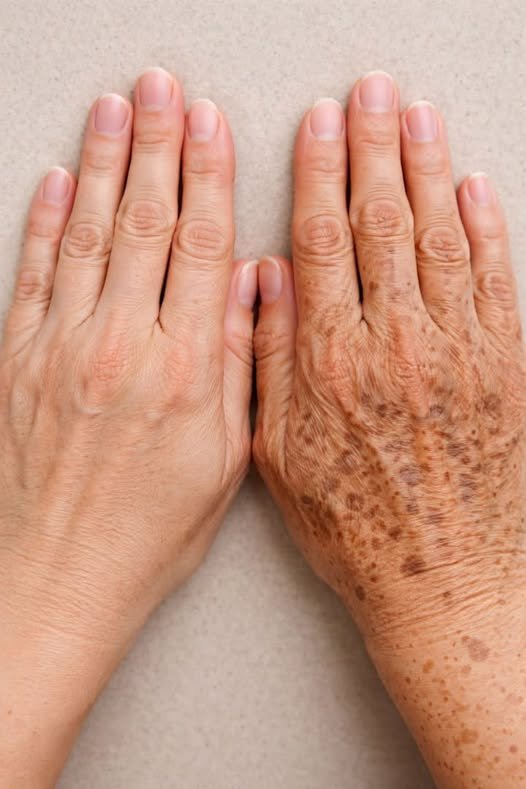
The image above shows a dramatic before-and-after comparison of a person’s skin, with the text: “Apply this simple remedy to your skin and fade dark spots, pigmentation, and uneven tone naturally.”
While the promise of a simple, natural remedy for hyperpigmentation is appealing, dermatologists caution that results like the ones shown in the image are rarely achieved through a single home treatment. Understanding the causes of dark spots and the ingredients that are proven to help is the best way to approach this common skin concern.
Understanding Hyperpigmentation
Dark spots, also known as hyperpigmentation, occur when the skin produces excess melanin. This can be triggered by several factors:
Sun Exposure: Ultraviolet (UV) light stimulates melanin production, leading to sunspots and worsening existing pigmentation.
Hormonal Changes: Conditions like melasma are often linked to hormonal fluctuations, such as those during pregnancy or menopause.
Inflammation: Post-inflammatory hyperpigmentation can occur after acne, eczema, or skin injuries.
Aging: Age spots, also called liver spots, become more common over time.
Why “Simple Remedies” Often Fall Short
Many viral social media posts suggest using household ingredients like lemon juice, baking soda, or apple cider vinegar to fade dark spots. While these ingredients may have some exfoliating properties, they are not proven to treat hyperpigmentation effectively. In fact, they can be irritating and may worsen the problem by damaging the skin barrier.
The dramatic results shown in before-and-after photos are often the result of professional treatments, prescription medications, or a combination of several skincare products used over time—not a single home remedy.
Ingredients Proven to Help Fade Dark Spots
Dermatologists recommend ingredients that have been studied and shown to be effective for hyperpigmentation:
Sunscreen: Daily use of broad-spectrum sunscreen with an SPF of 30 or higher is the most important step. UV exposure is a primary trigger for dark spots, and sun protection prevents them from worsening.
Retinoids: Topical retinoids, available by prescription or over-the-counter, help accelerate cell turnover and fade hyperpigmentation over time.
Vitamin C: This antioxidant helps brighten the skin and can inhibit melanin production.
Alpha Hydroxy Acids (AHAs): Ingredients like glycolic acid and lactic acid gently exfoliate the skin, helping to remove pigmented cells and improve tone.
Hydroquinone: A prescription-strength ingredient that is effective for hyperpigmentation but should be used under medical supervision.
Niacinamide: This form of vitamin B3 can help reduce the appearance of dark spots and improve skin barrier function.
A Realistic Approach to Skincare
If you are concerned about dark spots and uneven skin tone, consider the following steps:
Consult a Dermatologist: A professional can assess your skin and recommend a treatment plan tailored to your needs.
Be Patient: Fading hyperpigmentation takes time. Most treatments require weeks to months of consistent use before results are visible.
Avoid Irritants: Harsh scrubs, strong acids, and DIY remedies can damage the skin and make pigmentation worse.
Prioritize Sun Protection: Without daily sunscreen, other treatments will be less effective.
Conclusion
While the social media post promises a simple, natural fix for dark spots, the reality is that effective treatment requires a consistent, evidence-based approach. Sunscreen, proven active ingredients, and professional guidance are the most reliable paths to a more even skin tone.