7 Natural Foods That Kill Intestinal Worms (And How to Use Them)
Discover the top 7 natural, anthelmintic foods that can help eliminate intestinal worms and parasites. From pumpkin seeds to turmeric, learn how to cleanse your gut naturally.
Introduction
The thought of having intestinal worms (parasites) is enough to make anyone’s stomach turn. While we often associate parasites with developing nations or poor sanitation, the reality is that anyone can pick up a bug from contaminated food, water, or even pets.
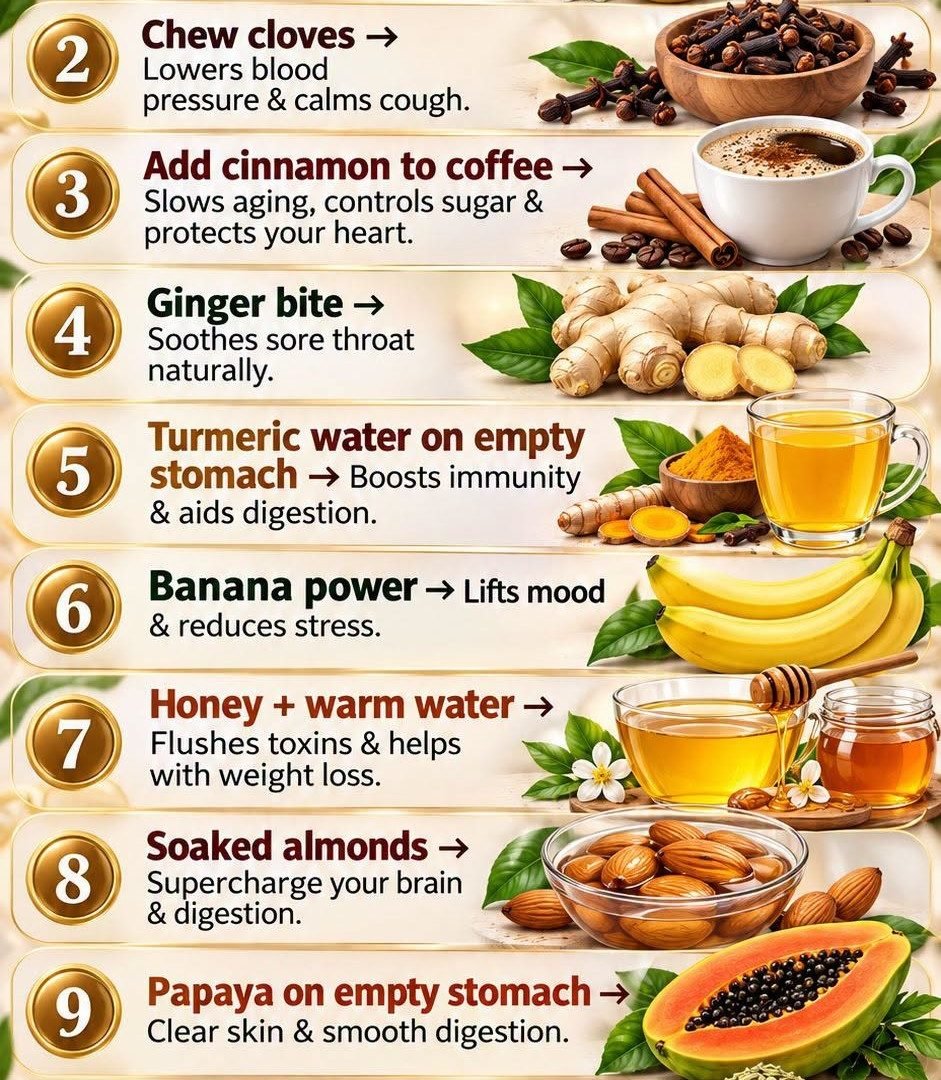
As the image above illustrates, certain natural remedies—like the golden turmeric drink shown—can help create an environment in your gut where parasites simply cannot survive. These foods are known as anthelmintics (anti-parasitic agents).
While severe infections always require a doctor’s prescription, incorporating these 7 powerful foods into your diet can help cleanse your gut, expel unwanted guests, and prevent future infestations.
Here are the top 7 foods that kill worms in the intestine.
1. Pumpkin Seeds (The Paralyzer)
The Active Compound: Cucurbitacin
Pumpkin seeds are arguably the most famous natural remedy for intestinal worms, particularly tapeworms and roundworms. They contain an amino acid called cucurbitacin, which has a unique ability: it paralyzes the worms.
When the worms are paralyzed, they lose their grip on the intestinal wall, making it easy for your body to flush them out through bowel movements.
How to use: Eat a handful of raw, organic pumpkin seeds on an empty stomach in the morning. For a stronger effect, blend them into a smoothie or mix ground seeds with a little honey.
2. Garlic (The Gut Defender)
The Active Compound: Allicin
Garlic is a powerhouse antimicrobial, antiviral, and antiparasitic food. When crushed or chopped, garlic releases allicin, a compound that creates a highly hostile environment for parasites. It also boosts your immune system, helping your body fight off the infection naturally.
How to use: For maximum benefit, garlic must be eaten raw. Crush 1-2 cloves of fresh garlic, let it sit for 10 minutes (to activate the allicin), and swallow it with water or mix it into a small amount of honey.
3. Papaya Seeds (The Protein Digestor)
The Active Compound: Papain
While most people eat the sweet fruit of the papaya, the real anti-parasitic magic lies in the black seeds. They contain an enzyme called papain, a proteolytic enzyme that helps break down proteins. Since the protective outer layer (cuticle) of many worms is made of protein, papain essentially digests this shield, killing the worm.
How to use: The seeds have a strong, peppery taste. You can eat a teaspoon of fresh papaya seeds mixed with honey, or dry them and grind them into a powder to sprinkle over salads.
4. Turmeric (The Healer)
The Active Compound: Curcumin (As seen in the image above)
The yellow drink in the viral image is likely Turmeric Tea (or Golden Milk). Turmeric is a potent antiseptic and anti-inflammatory. While it may not kill worms directly as fast as pumpkin seeds, it makes the intestinal tract incredibly inhospitable for them. Furthermore, it helps heal the damage and inflammation that parasites leave behind in your gut lining.
How to use: Mix 1 teaspoon of high-quality turmeric powder (with a pinch of black pepper to increase absorption) into warm water or milk. Drink this daily to cleanse the gut.
5. Cloves (The Egg Destroyer)
The Active Compound: Eugenol
Most anti-parasitic foods only kill adult worms. Cloves are special because they contain eugenol, a compound powerful enough to dissolve the hard casing of parasite eggs. Killing the eggs is crucial to stop the lifecycle of the parasite and prevent re-infestation.
How to use: Chew on 2-3 whole cloves after meals, or brew them into a tea. Clove oil is also very potent, but should be used with caution and diluted.
6. Coconut Oil (The Antimicrobial)
The Active Compound: Caprylic Acid
Coconut oil contains medium-chain fatty acids, specifically caprylic acid, which have strong antibacterial and antiparasitic properties. It helps to weaken the cell walls of parasites and supports a healthy gut microbiome, which crowds out bad bugs.
How to use: Consume 1-2 tablespoons of organic, cold-pressed virgin coconut oil daily. You can add it to your morning coffee, smoothies, or use it for cooking.
7. Carrots (The Gut Scrubber)
The Active Compound: Beta-Carotene and Fiber
Raw carrots are excellent for mechanical cleansing. They are rich in insoluble fiber, which acts like a scrub brush for your intestines, helping to sweep away dead worms and toxins. Additionally, the beta-carotene in carrots boosts your immune system and strengthens the gut wall, making it harder for parasites to attach themselves.
How to use: Eat 1-2 raw, grated carrots on an empty stomach in the morning.
⚠️ Important Medical Disclaimer
While these foods are excellent for gut health and can help with mild cases or prevention, they are not a replacement for medical treatment in severe cases.
If you suspect you have a heavy parasitic infection, or if you are experiencing severe symptoms like:
Unexplained weight loss
Chronic diarrhea or bloating
Visible worms in your stool
Severe abdominal pain
Please see a doctor immediately. A simple stool test can identify the parasite, and a doctor can prescribe targeted anti-parasitic medication (like Albendazole or Mebendazole) to clear the infection quickly and safely.
How to Prevent Intestinal Worms
Once you’ve cleansed your gut, keep the worms away by following these simple hygiene rules:
Wash your hands thoroughly with soap and water before eating and after using the restroom.
Wash all fruits and vegetables thoroughly, especially if eaten raw.
Cook meat thoroughly, especially pork and fish, to kill any hidden larvae.
Drink clean, filtered water, especially when traveling.
Deworm your pets regularly, as they can pass certain parasites to humans.
Conclusion
Nature provides a powerful pharmacy right in our kitchens. By incorporating pumpkin seeds, garlic, papaya seeds, turmeric, cloves, coconut oil, and carrots into your diet, you can create a gut environment that is completely inhospitable to intestinal worms.
Stay proactive about your gut health, and your body will thank you!
Disclaimer: This article is for informational and educational purposes only and does not constitute professional medical advice. Always consult with a healthcare provider before starting any new dietary regimen, especially if you suspect a parasitic infection.