Small White Spots on Arms and Legs: What Could They Be?
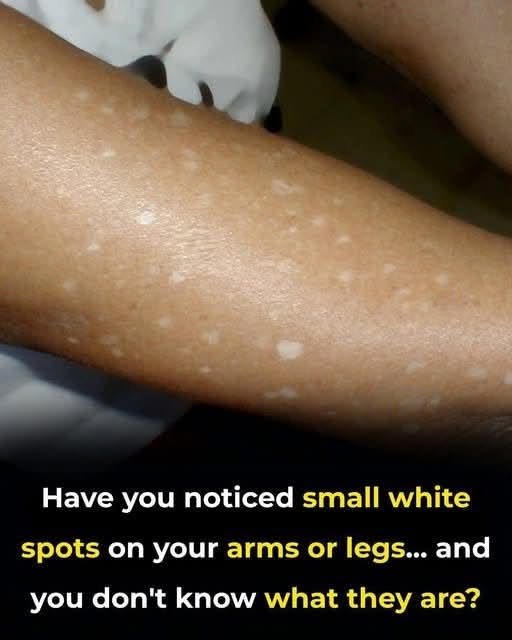
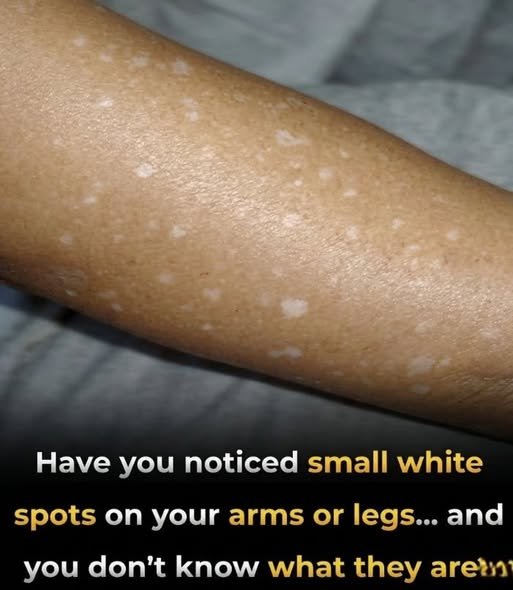
Noticing small, white spots on your skin can be concerning, especially when they appear on visible areas like the arms or legs. A recent social media post features an image of a person’s arm covered in these spots, asking if viewers know what they are.
These small white spots are often a harmless skin condition called Idiopathic Guttate Hypomelanosis (IGH). However, several other conditions can also cause similar-looking spots, some of which require medical attention. Understanding the differences is the first step toward getting an accurate answer.
Common Causes of White Spots on the Skin
1. Idiopathic Guttate Hypomelanosis (IGH) This is one of the most common causes of small, white, flat spots on the arms and legs. IGH typically appears in areas that receive frequent sun exposure, such as the forearms and shins. The spots are usually 2 to 5 millimeters in size and are more noticeable in people with darker skin tones. While IGH is harmless, it can be a cosmetic concern for some people.
2. Vitiligo Vitiligo is an autoimmune condition that causes the skin to lose its pigment-producing cells. The resulting white patches can vary in size and location, but they often appear on the hands, face, and extremities. Unlike IGH, vitiligo patches tend to be larger and may spread over time.
3. Tinea Versicolor This is a fungal infection that can cause patches of lighter or darker skin. It often appears on the back, chest, and upper arms. The spots may be scaly and can become more noticeable after sun exposure. Tinea versicolor is treatable with antifungal medications.
4. Pityriasis Alba This condition is more common in children and young adults. It causes pale, scaly patches that are often mistaken for vitiligo. The spots typically appear on the face and arms and usually resolve on their own.
When Should You Be Concerned?
If you notice new white spots on your skin, consider the following questions:
Are the spots spreading or growing in size?
Do they have a different texture, such as scaly or raised?
Are they accompanied by other symptoms, like itching or redness?
Have you recently started a new medication?
While IGH is generally harmless, other conditions may require treatment. It is always a good idea to consult a dermatologist for an accurate diagnosis, especially if the spots are changing or if you are unsure of the cause.
What to Do Next
A dermatologist can examine your skin and may use a special light called a Wood’s lamp to help diagnose the condition. If a fungal infection is suspected, a simple skin scraping may be taken for testing.
In the meantime, protecting your skin from sun exposure by wearing sunscreen and protective clothing can help prevent further spots and protect your overall skin health.
Conclusion
Small white spots on the arms and legs are often harmless and related to sun exposure or aging. However, because several conditions can look similar, consulting a dermatologist is the best way to get an accurate answer and appropriate care.