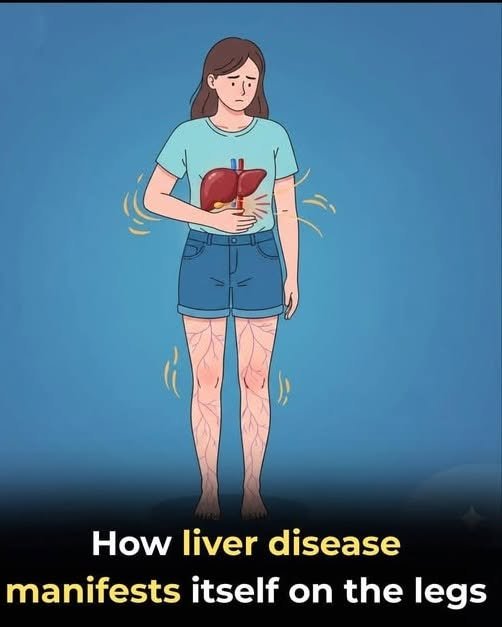
This Is the Vitamin Your Body Lacks When You Have Pain in Your Legs and Bones
If you’re experiencing persistent pain in your legs and bones, it could be a sign that your body is missing a key nutrient. While there are many possible causes for leg and bone pain, one of the most common deficiencies linked to these symptoms is Vitamin D.
Here’s what you need to know about Vitamin D and how to support your levels. 👇
Disclaimer: This post is for informational purposes only and is not a substitute for professional medical advice. Always consult your healthcare provider before starting any supplement or making changes to your diet.
🔬 Why Vitamin D Matters for Your Legs and Bones
1. It Supports Bone Health Vitamin D helps your body absorb calcium, which is essential for strong, healthy bones. Without enough Vitamin D, your bones can become weak, soft, and painful — a condition called osteomalacia.
2. It Supports Muscle Function Vitamin D plays a role in muscle function. A deficiency can lead to muscle weakness, aches, and cramps, especially in the legs.
3. It Reduces Inflammation Vitamin D has anti-inflammatory properties. Low levels are linked to increased inflammation and chronic pain.
4. It Supports Nerve Health Vitamin D helps maintain healthy nerves. A deficiency can contribute to tingling, numbness, and pain in the legs.
Symptoms of Vitamin D Deficiency:
Bone pain
Muscle weakness and cramps
Fatigue
Frequent infections
Depression
Slow-healing wounds
Hair loss
Important: These symptoms can also be caused by other conditions. Only a doctor can diagnose a Vitamin D deficiency with a blood test.
🛒 Ingredients for a Vitamin D-Rich Diet
Fatty fish (salmon, mackerel, tuna) 🐟
Egg yolks 🥚
Fortified dairy products 🥛
Fortified cereals
Mushrooms exposed to UV light 🍄
Sunlight ☀️ (15–20 minutes a day)
👩🍳 Instructions
Get safe sun exposure: Aim for 15–20 minutes of sunlight on your skin several times a week.
Eat Vitamin D-rich foods: Include fatty fish, eggs, and fortified dairy in your diet.
Consider a supplement: If your doctor recommends it, take a Vitamin D3 supplement.
Get your levels tested: Ask your doctor for a blood test to check your Vitamin D levels.
Combine with calcium and magnesium: These nutrients work together for bone health.
Pro Tip: Vitamin D is a fat-soluble vitamin, so take supplements with a meal that contains healthy fats for better absorption.
❓ Frequently Asked Questions
What vitamin deficiency causes leg and bone pain? Vitamin D deficiency is one of the most common causes. Low levels of calcium and magnesium can also contribute.
How do I know if I’m deficient in Vitamin D? Only a blood test can confirm a deficiency. Symptoms include bone pain, muscle weakness, and fatigue.
How much Vitamin D do I need per day? The recommended daily allowance is 600–800 IU for most adults. However, your doctor may recommend more if you’re deficient.
Can I get Vitamin D from sunlight? Yes — sunlight is the best natural source. Aim for 15–20 minutes a day on exposed skin.
What foods are high in Vitamin D? Fatty fish, egg yolks, fortified dairy, and mushrooms exposed to UV light.
Can Vitamin D help with leg cramps? Yes — Vitamin D deficiency is linked to muscle cramps. Correcting the deficiency can help.
Is it safe to take Vitamin D every day? Yes — in appropriate doses. Too much can be toxic, so follow your doctor’s guidance.
When should I see a doctor? If you have persistent bone or leg pain, see a doctor for a blood test and evaluation.
Can Vitamin D help with arthritis pain? It may help support bone and joint health, but it is not a cure for arthritis.
What is the best form of Vitamin D? Vitamin D3 (cholecalciferol) is generally considered the most effective form.