Eye Doctor Explains What To Do If You Start Seeing ‘Floaters’
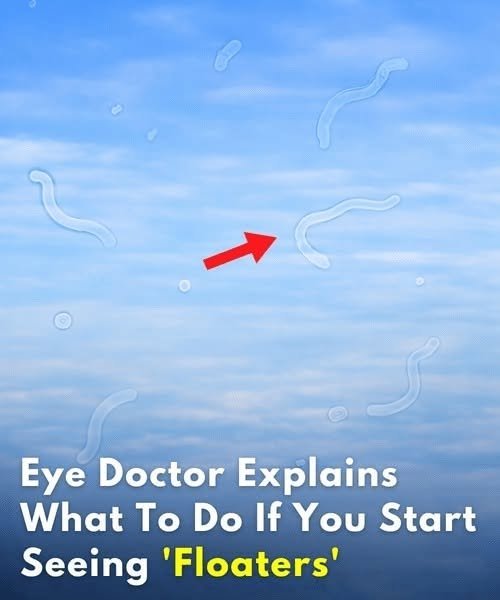
You’re looking at a plain wall or the sky, and you notice tiny specks, squiggles, or cobweb-like shapes drifting across your vision. They move when you move your eyes, but they never go away completely.
These are eye floaters, and they are incredibly common. Most of the time, they are harmless. But in some cases, they can be a sign of a serious eye condition that requires immediate attention. Here’s what an eye doctor wants you to know. 👇
Disclaimer: This post is for informational purposes only and is not a substitute for professional medical advice. If you experience a sudden onset of floaters or flashes, seek immediate medical attention.
🔬 What Are Eye Floaters?
Eye floaters are tiny clumps of gel or cells inside the vitreous, the clear, jelly-like substance that fills the inside of your eye. When light passes through the vitreous, these clumps cast shadows on the retina, which your brain perceives as floaters.
What they look like:
Small dots
Thread-like strands
Cobwebs
Rings
Squiggly lines
Why they happen:
Aging: As we age, the vitreous becomes more liquid and shrinks, forming clumps.
Nearsightedness: People who are nearsighted are more prone to floaters.
Eye injury or inflammation
Diabetic retinopathy
Post-cataract surgery
⚠️ When to Seek Immediate Help
Most floaters are harmless and don’t require treatment. But you should see an eye doctor immediately if you experience:
A sudden shower of new floaters
Flashes of light in your peripheral vision
A shadow or curtain coming down over your vision
Loss of peripheral vision
Eye pain along with floaters
These can be signs of a retinal tear or detachment, which is a medical emergency. Prompt treatment can save your vision.
💡 What You Can Do
Don’t panic: Most floaters are harmless and become less noticeable over time.
Move your eyes: Looking up and down can help shift floaters out of your central vision.
See an eye doctor: Get a comprehensive eye exam to rule out serious conditions.
Monitor changes: If you notice a sudden increase in floaters or new flashes, seek care immediately.
Consider treatment: In severe cases, laser therapy or surgery may be an option, but it’s usually reserved for significant vision impairment.
❓ Frequently Asked Questions
Are eye floaters dangerous? Most are harmless, but a sudden increase or flashes of light can be a sign of retinal detachment, which is a medical emergency.
What causes eye floaters? They are caused by clumps of gel or cells in the vitreous. Aging is the most common cause.
Can eye floaters go away? They may become less noticeable over time, but they often don’t go away completely.
When should I see a doctor for floaters? If you experience a sudden onset, flashes of light, or a curtain over your vision, seek immediate care.
Can floaters be treated? In severe cases, laser therapy or surgery may help. Most people don’t need treatment.
Are floaters a sign of blindness? Not usually, but they can be a sign of a retinal tear or detachment, which can lead to vision loss if not treated.
Can stress cause floaters? Stress doesn’t cause floaters, but it can make you more aware of them.
Are floaters normal? Yes — they are very common, especially as we age.
What is a retinal detachment? It’s a serious condition where the retina separates from the back of the eye. It requires immediate medical attention.
Can floaters be prevented? There is no proven way to prevent floaters, but regular eye exams can help catch problems early.