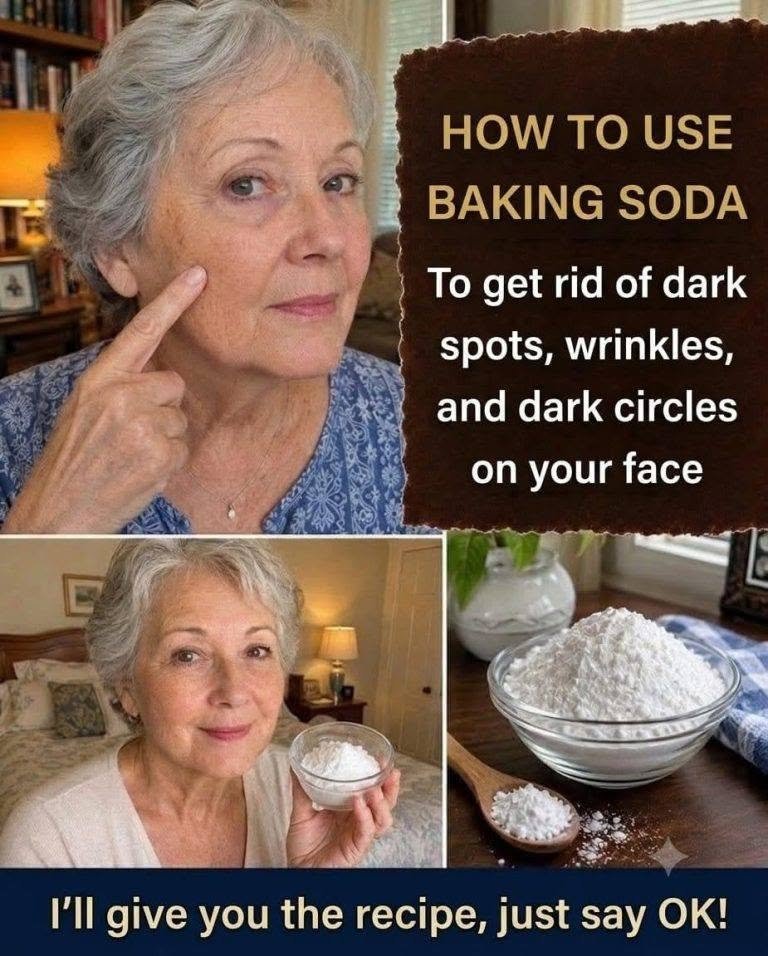
How to Use Baking Soda for Dark Spots, Wrinkles, and Dark Circles
Baking soda is a common household item that has many uses beyond cooking and cleaning. It is a gentle abrasive and has mild exfoliating properties. Many people use it as a natural remedy for various skin concerns, including dark spots, wrinkles, and dark circles. While it is not a magic cure, it can be a helpful addition to your skincare routine when used correctly and safely.
Why Baking Soda Can Help
Baking soda, also known as sodium bicarbonate, is a fine powder that can help remove dead skin cells when used as a gentle scrub. By exfoliating the top layer of the skin, it can help brighten the complexion and reduce the appearance of dark spots over time. It also helps balance the skin’s pH levels, which can support overall skin health. However, it is important to remember that baking soda is alkaline and can be drying if used too often or in high concentrations.
Recipe for Dark Spots and Wrinkles
To create a simple exfoliating paste, mix one teaspoon of baking soda with enough water to form a thick paste. You can also add a few drops of lemon juice for extra brightening, but be cautious if you have sensitive skin. Apply the paste to clean, damp skin and gently massage in circular motions for about one minute. Avoid the delicate area around the eyes. Rinse thoroughly with lukewarm water and pat dry. Follow with a moisturizer. Use this treatment no more than once or twice a week.
Recipe for Dark Circles
The skin under the eyes is very thin and delicate. Be very careful when applying anything to this area. Mix one teaspoon of baking soda with two tablespoons of cold water or chilled chamomile tea. Soak two cotton pads in the mixture and place them over your closed eyes for five to ten minutes. Remove the pads and rinse your face with cool water. This can help reduce puffiness and temporarily brighten the under-eye area.
Important Safety Precautions
While baking soda can be beneficial, it is not suitable for everyone. Always do a patch test on a small area of your skin before applying it to your face. If you have sensitive skin, dry skin, or conditions like eczema or rosacea, you should avoid using baking soda on your face, as it can cause irritation and disrupt the skin barrier. Never use baking soda on broken or irritated skin. If you experience any redness, burning, or itching, stop using it immediately.
Other Tips for Healthy Skin
For lasting results, baking soda should be part of a broader skincare routine. Always wear sunscreen daily to prevent new dark spots from forming. Stay hydrated by drinking plenty of water. Eat a balanced diet rich in vitamins and antioxidants. Get enough sleep to reduce the appearance of dark circles. If your skin concerns are persistent or severe, consult a dermatologist for professional treatment options.
Final Thoughts
Baking soda can be a simple and affordable addition to your skincare routine for occasional exfoliation and brightening. However, it is not a substitute for professional medical or dermatological care. Use it gently and sparingly, and always listen to your skin. With consistent care and the right precautions, you can support a healthier, more radiant complexion.