What to Do If You Find a Tick on Your Child’s Head
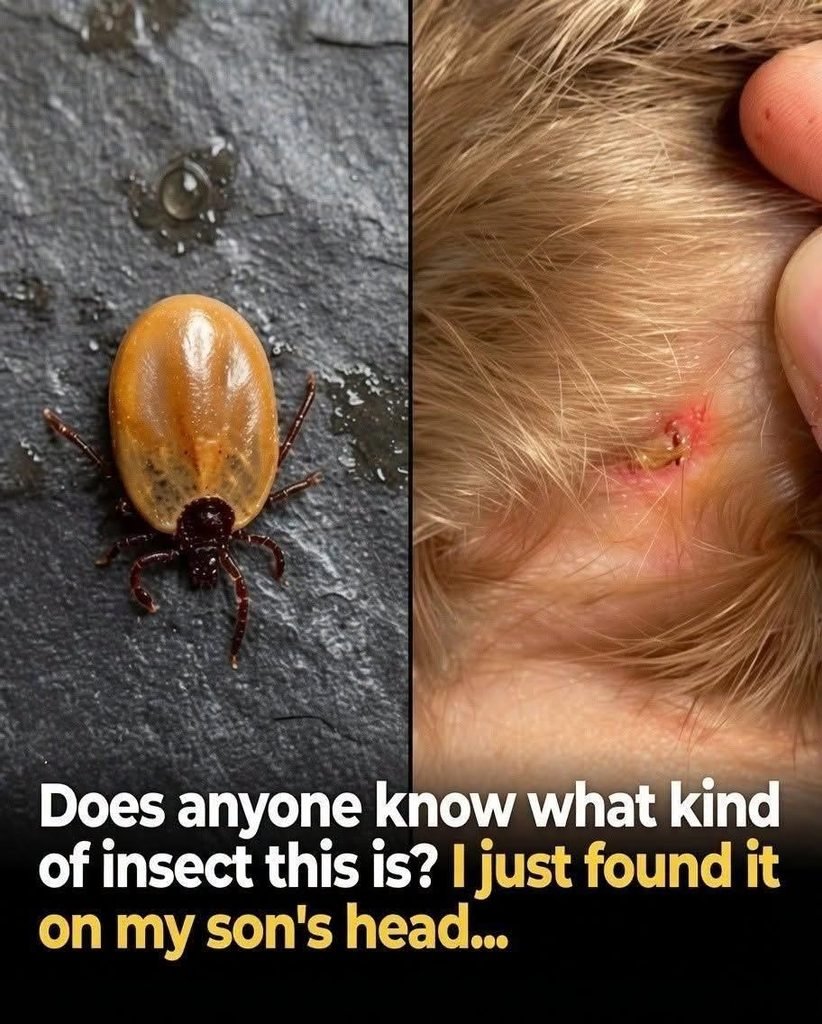
Finding a small, unfamiliar insect on your child’s head can be an alarming experience. The image you shared shows a tick, and the red mark visible on the scalp is a common reaction to a tick bite. While it is natural to feel worried, the most important thing is to stay calm and take the right steps to remove the tick safely and monitor your child’s health.
Identifying a Tick
The insect in your photo is a tick, which is a small, blood-feeding arachnid. After feeding, a tick’s body becomes engorged and can take on a light brown, tan, or grayish color, appearing almost like a small bean or seed . The photo shows an engorged tick, which means it has been attached and feeding for some time.
Why the Bite Site Looks Red
The red mark on your son’s head is likely a local reaction to the tick’s saliva. When a tick attaches, it inserts its mouthparts into the skin and releases substances that numb the area and prevent blood from clotting. This can cause a small, red bump or a ring-like rash. A small red bump is a normal reaction that often resolves on its own. However, it is important to watch for signs of infection or illness.
How to Remove a Tick Safely
If the tick is still attached, removing it correctly is crucial. Using fine-tipped tweezers is the recommended method. Grab the tick as close to the skin’s surface as possible and pull upward with steady, even pressure. Avoid twisting or jerking the tick, as this can cause the mouthparts to break off and remain in the skin.
After removing the tick, clean the bite area and your hands with rubbing alcohol or soap and water. Never crush a tick with your fingers, and do not use petroleum jelly, a hot match, or nail polish to try to make the tick detach. These methods are not effective and can cause the tick to release more bacteria into the bloodstream.
When to See a Doctor
While many tick bites are harmless, some ticks can carry diseases. You should contact a healthcare provider if your child develops a fever, a rash that expands or looks like a bullseye, muscle aches, or joint pain in the weeks following the bite. These could be signs of a tick-borne illness that requires medical treatment.
It is also important to note that a tick found on the head may not be the only one. Ticks often hide in hair, behind the ears, and along the hairline. After finding one, it is a good idea to do a thorough check of your child’s entire body and remove any other ticks you find.
Conclusion
Finding a tick on your child can be scary, but with prompt and proper removal, the risk of serious complications is low. The key is to remove the tick as soon as possible and keep a close eye on the bite site and your child’s overall health in the days that follow. If you are ever unsure or concerned, do not hesitate to reach out to your pediatrician for guidance.